




Printing · 6 min read
How to Print Pokémon Placeholder Cards That Fit
Print Pokémon placeholder cards at true size, 63 × 88 mm: the settings, paper and cuts that fit a 9-pocket page, and how to print only the missing ones.
Digital binder → printed placeholder cards
Pokébinder is a free tool for Pokémon TCG collectors: search any card in English or Japanese, arrange them into 3×3 pages, and let your own art run across the pockets. Try out layouts and move things around before you buy — then print true-size placeholders for only the cards you do not own yet. It turns a half-finished binder into a clear to-do list: you always know what to buy and exactly where it goes.
Free · No account · No watermark · Your binder stays in your browser
 Your art · 2 pockets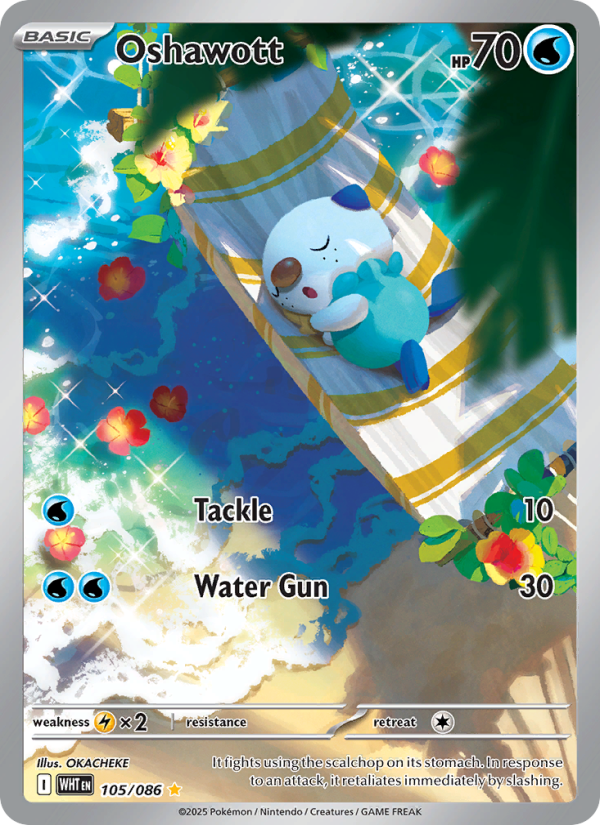

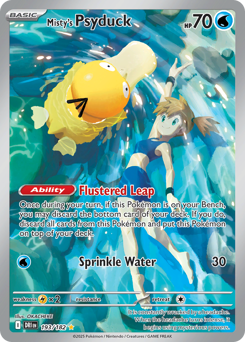
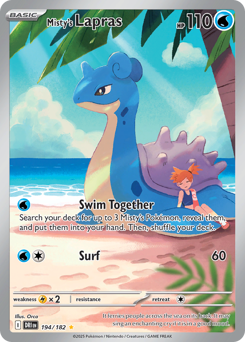
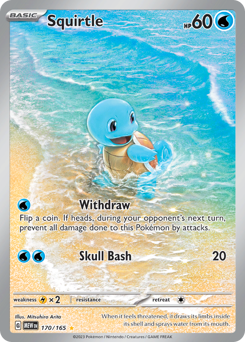
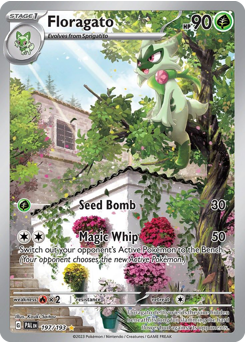
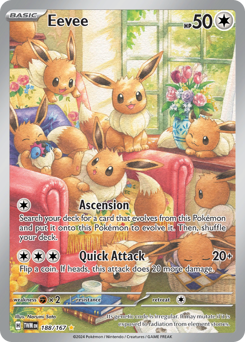
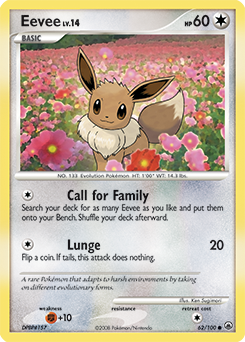
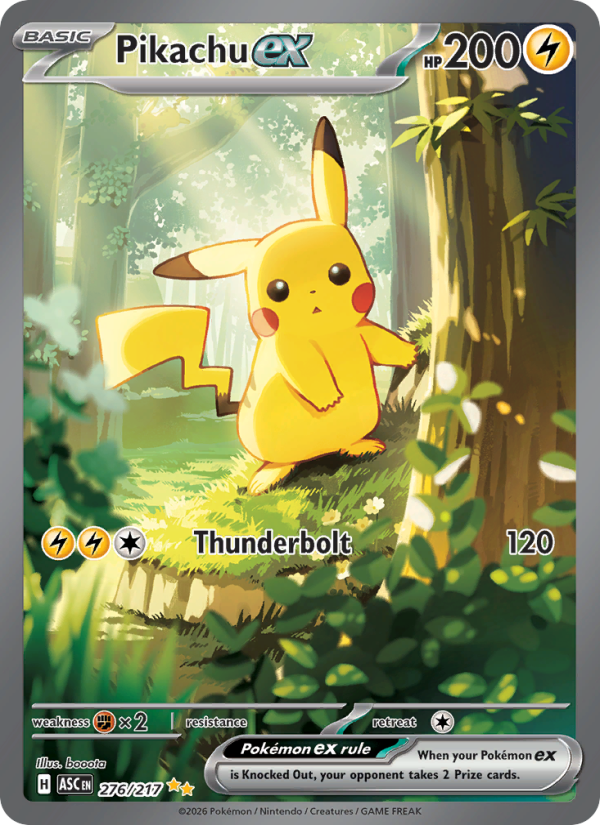
Search over 20,000 English cards by name, set or artist, and over 21,000 Japanese cards by name or set — including the printings collectors actually chase.
Drag or tap cards into 3×3 pockets, and let your own artwork run across two or three slots or fill the whole page behind them, Michi-method style — see how the page looks before spending money on it.
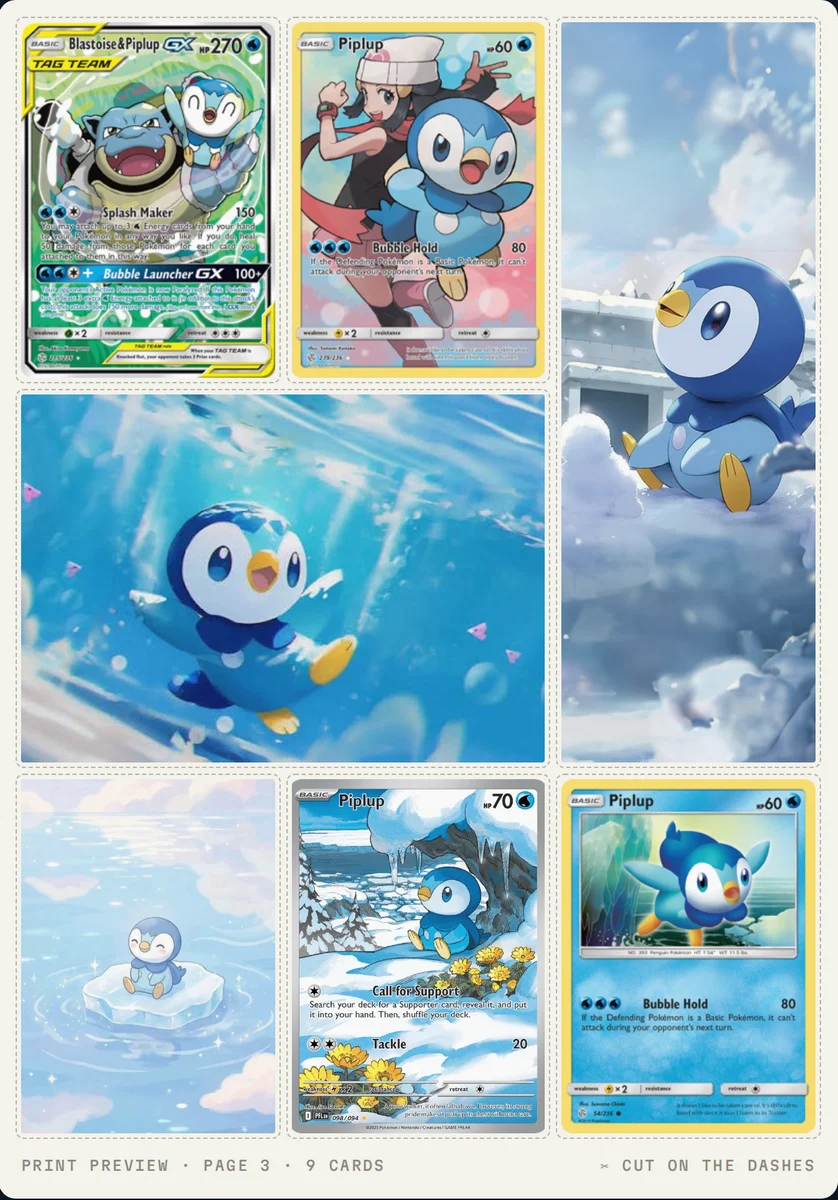
Mark the cards you do not own. They print at true card size with cut guides, ready to cut and add to your physical binder.
More on printing →Turn the pages like a real binder — on your phone as well as your desktop.
Master sets
Skip placing 200 cards by hand. Pick a set and every page comes laid out in number order, ready to flip through and print.
An image can hold one pocket, two, a whole row, or sit behind the whole page with cards on top. Same nine pockets every time — what changes is how much of the page the art carries.
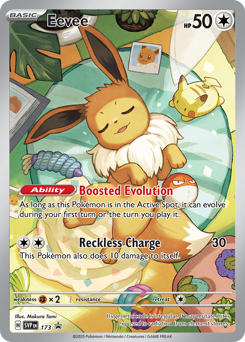
The Michi page
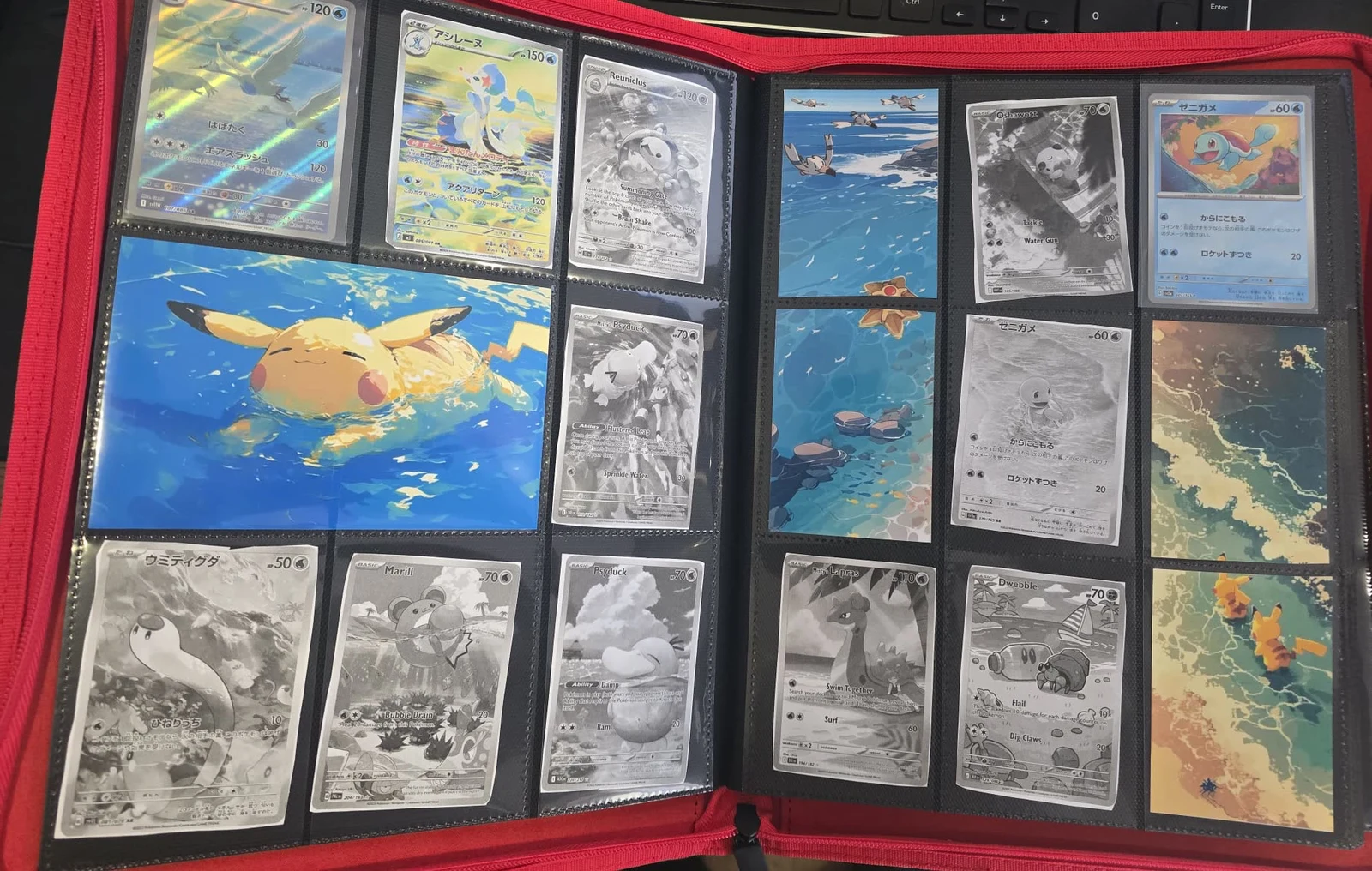
One image fills all nine pockets, and your cards sit on top of it in whichever pockets you choose. The art carries on around them, so the page reads as one picture. Take a card out and its slice shows through; zoom and nudge the image until the framing is right. It prints one slice per pocket, on the same cut guides as the cards.

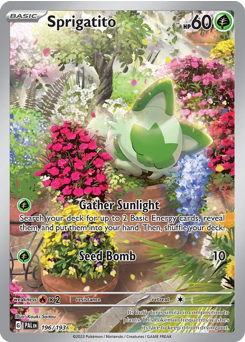
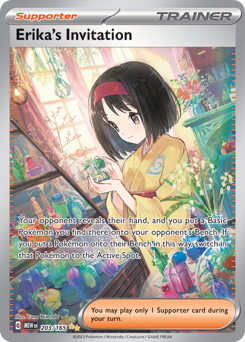
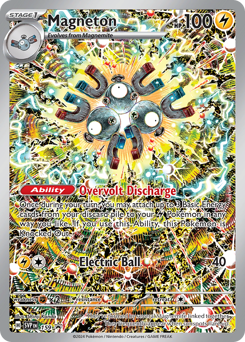
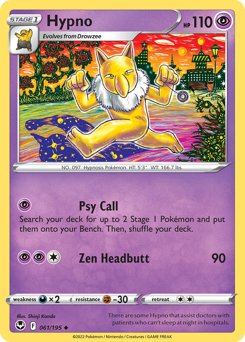
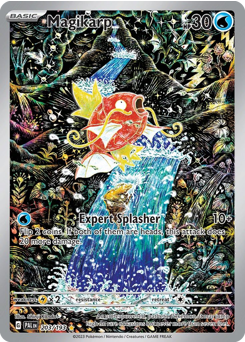
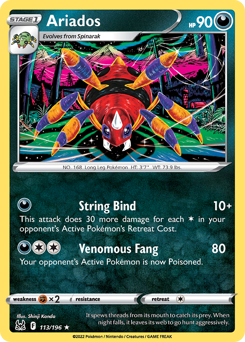
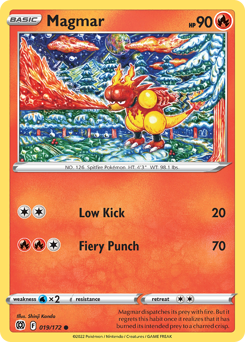
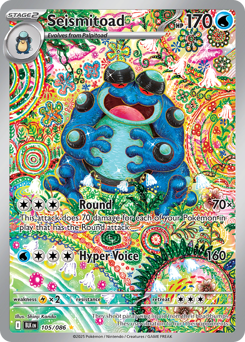
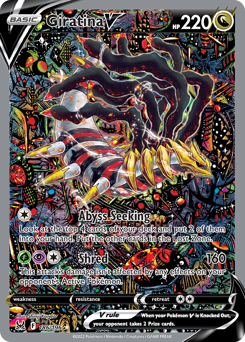
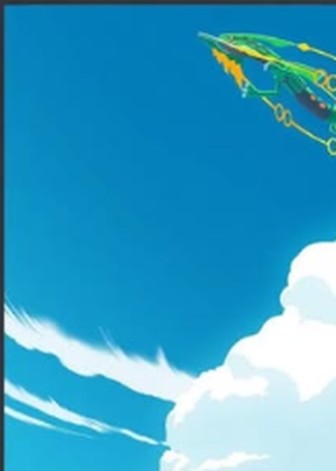
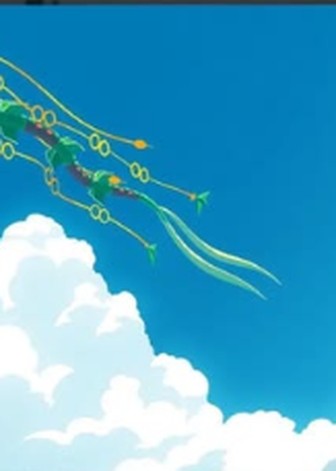
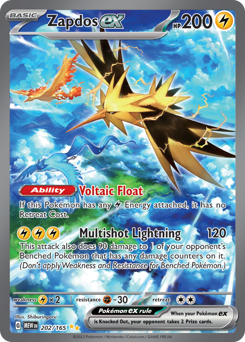
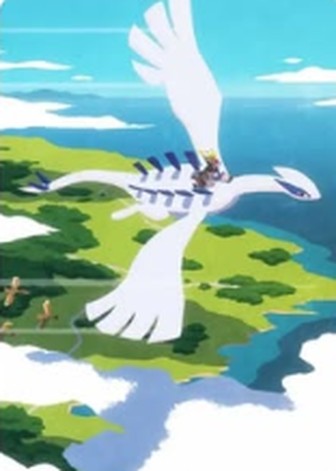
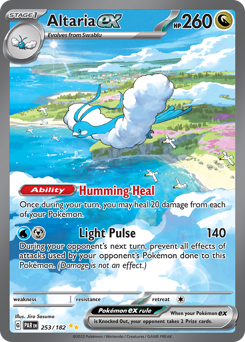
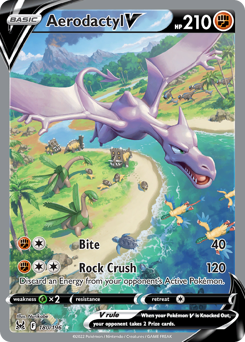
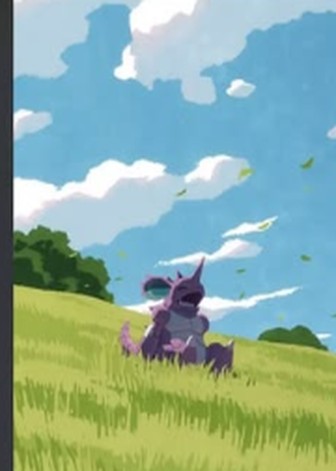

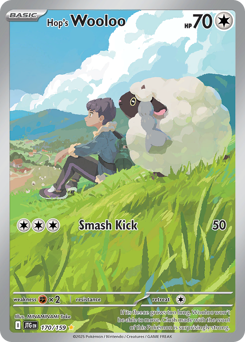
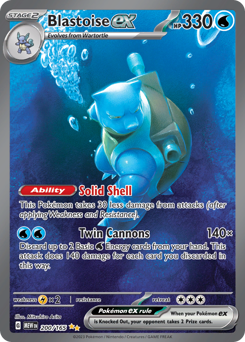
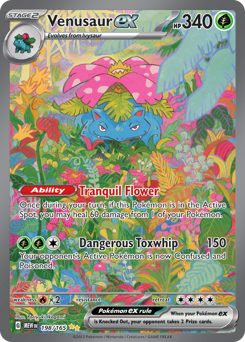
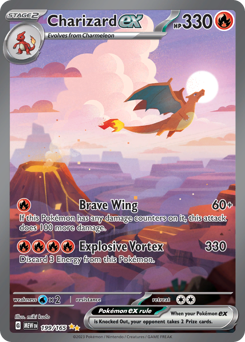
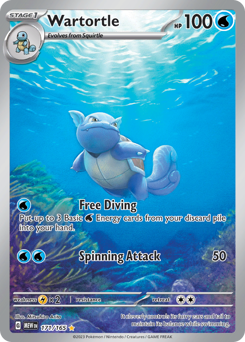
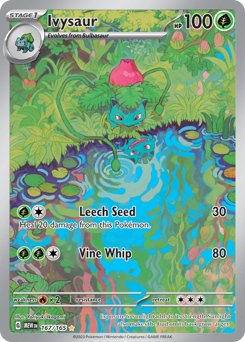
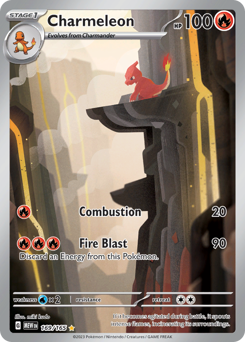
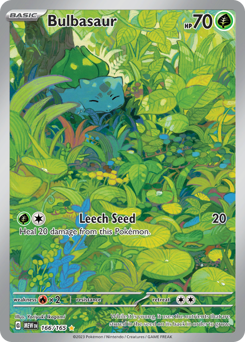
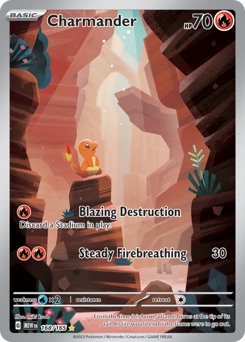
Your binder opens as a two-page spread with a real page curl on a desktop, and turns one page per swipe on a phone. Same pages, same art — it just behaves like the thing on your shelf.
Stay organized
The placeholder is the card. Mark anything in your binder as not owned yet and it prints at exactly 6.3 × 8.8 cm with a cut guide around it — cut it out and add it to the page, and that pocket is settled instead of sitting empty until the real one turns up.
When it does turn up, slide the printed one out and the real one in — nothing else on the page moves, so you are never reorganizing the binder just because you bought something new. Until then the gaps double as a shopping list: you always know what you are missing and exactly where it goes. It also means you see how a spread will look before spending money on it, and can change your mind on paper instead of at the counter.
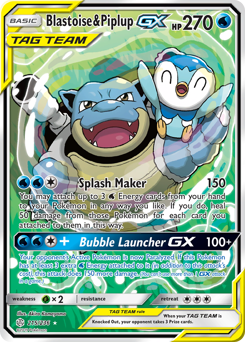
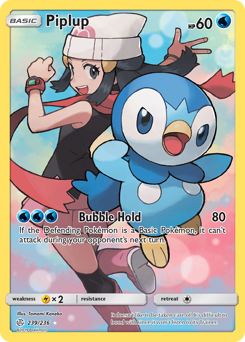



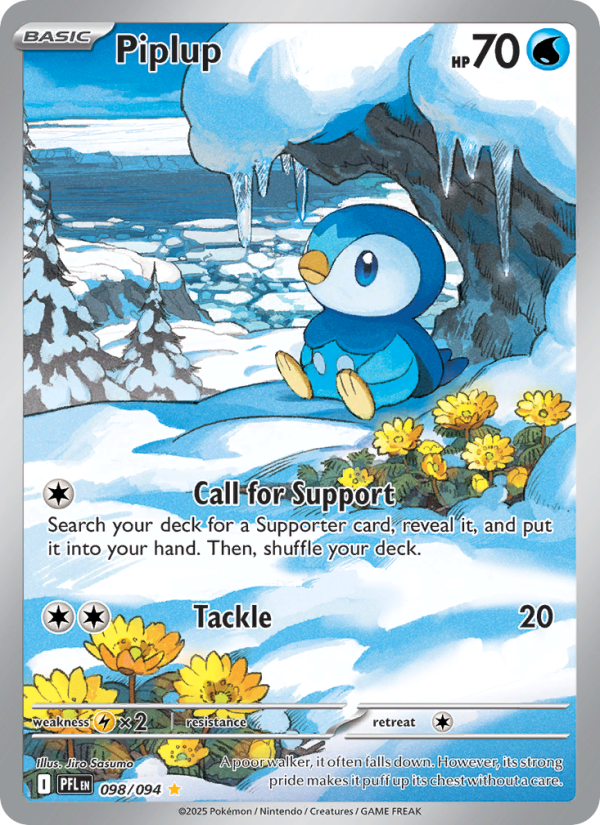
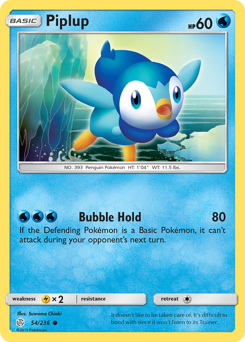
Print preview · Page 3 · 9 cards✂ Cut on the dashes
Sixty-five seconds: search, arrange, print, cut, sleeve, done.
The Michi method is a way of building binder pages where one piece of artwork carries across several pockets, so a spread reads as a single image instead of nine separate cards. Collectors print backing art, cut it to size, and sit the cards on top of it.
Pokébinder does the same thing without the guesswork: drop an image into a pocket and let it run across up to three of them horizontally or vertically, or fill the whole page behind your cards, then zoom and reposition until the framing is right. It prints with the page, on the same cut guides as the cards. Popularised by @peeplop and written up at The Michi Method. See five layouts above.
Guides
Practical guides for the Michi method, printing placeholders that fit, and building a binder you will actually finish.
Printing · 6 min read
Print Pokémon placeholder cards at true size, 63 × 88 mm: the settings, paper and cuts that fit a 9-pocket page, and how to print only the missing ones.
Michi method · 7 min read
Learn how to plan a Michi method Pokémon binder page with hero cards, art panels, and intentional empty space before you print.
Short answers to what people actually ask.
Nothing to install
Search a card, drop it in a pocket, and see what the page wants to be.
Start buildingThis site is an independent fan project made by one collector. It is not produced, endorsed or supported by Nintendo, Creatures Inc., GAME FREAK, The Pokémon Company or Wizards of the Coast. Pokémon and all related names are trademarks of their respective owners; card images are served from their original sources and remain the property of their rights holders.